
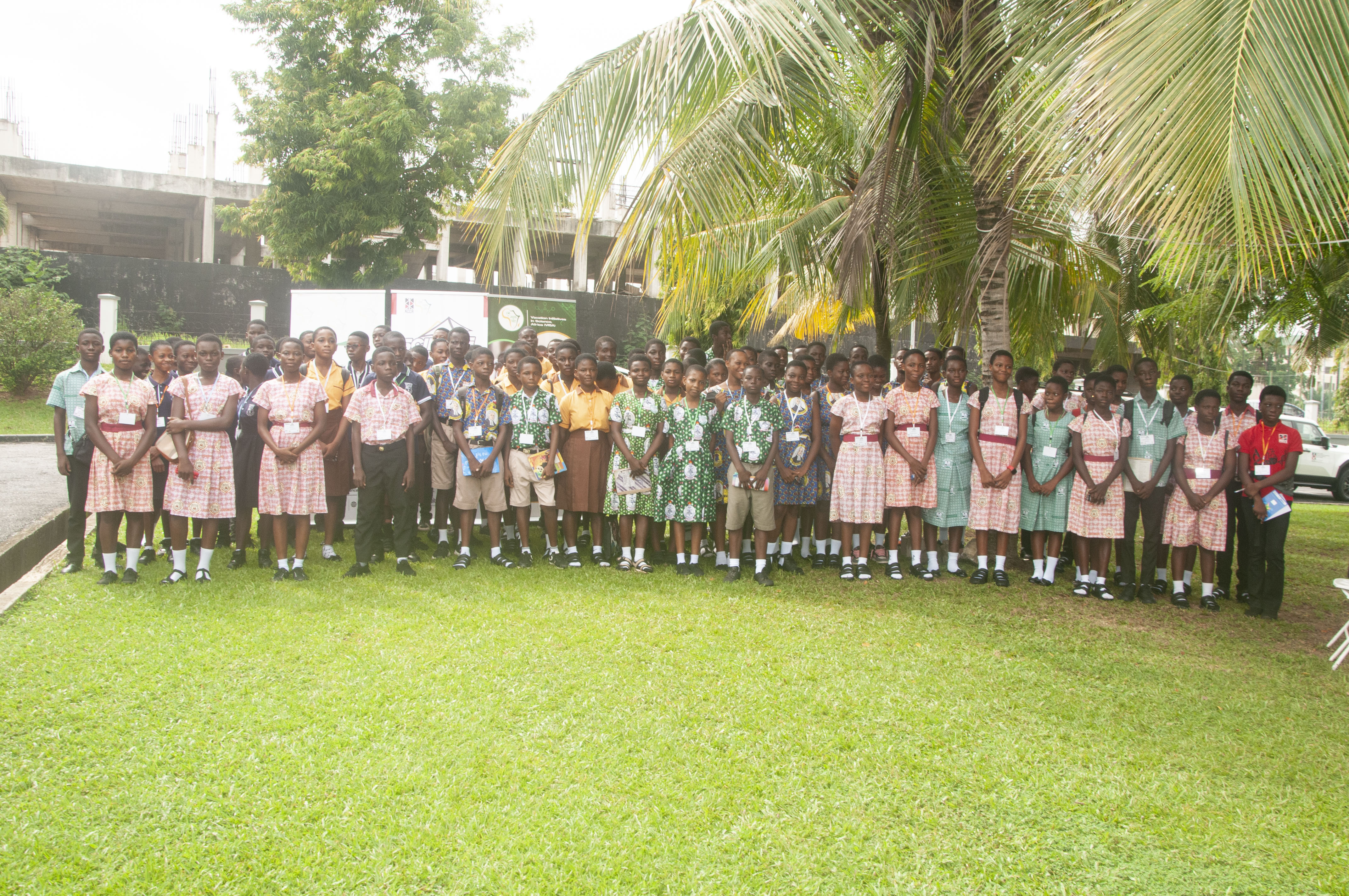
The Kumasi Centre for Collaborative Research in Tropical Medicine (KCCR) at the Kwame Nkrumah University of Science and Technology, Kumasi (KNUST), in collaboration with Vacation Initiatives in Science Africa (VISA), has hosted Science Intents, a STEM Mentorship Fair designed to inspire junior high school students through practical science education and mentorship.
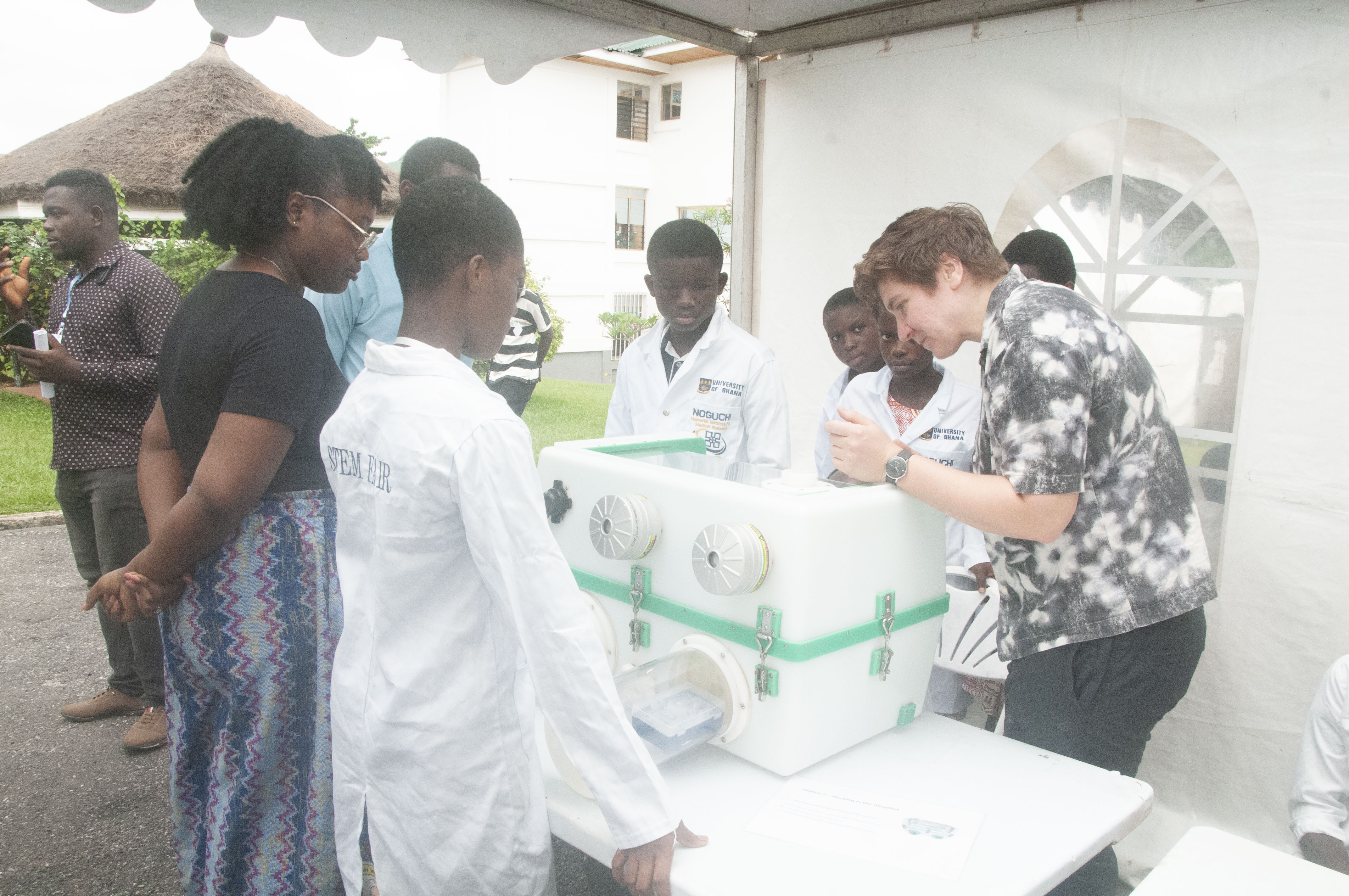
The initiative provided participants with hands-on science activities, mentorship from researchers and academics, and opportunities to interact with students from diverse educational backgrounds.
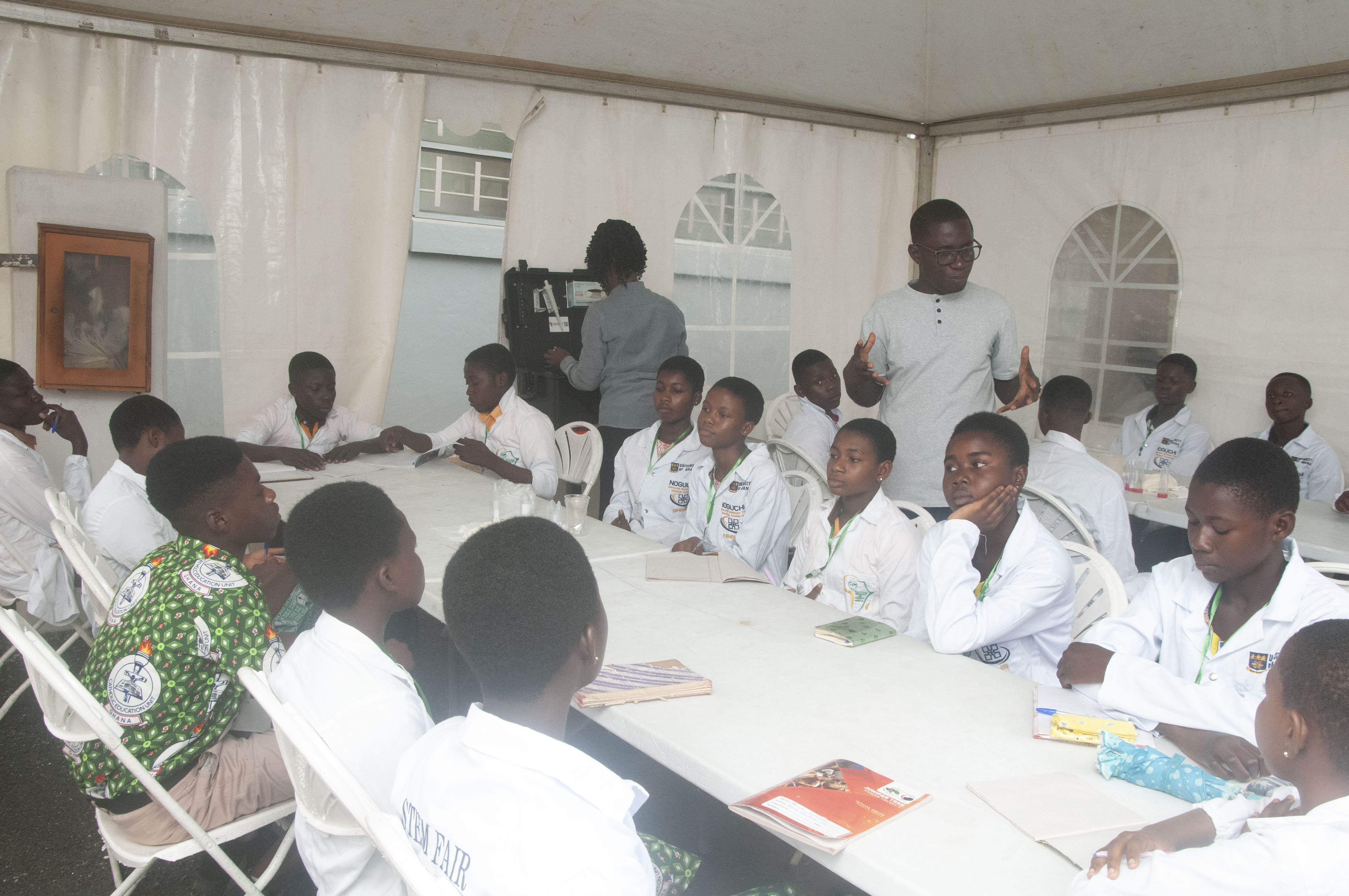
The founder of Vacation Initiatives in Science Africa (VISA), Dr. Sebastian Eugene Arthur, said the programme was created to bridge the gap between classroom science and practical scientific experiences for young learners.
According to him, Science Intents serves as a platform where scientists and science-focused organisations engage students through interactive experiments and demonstrations that make science more accessible and enjoyable.
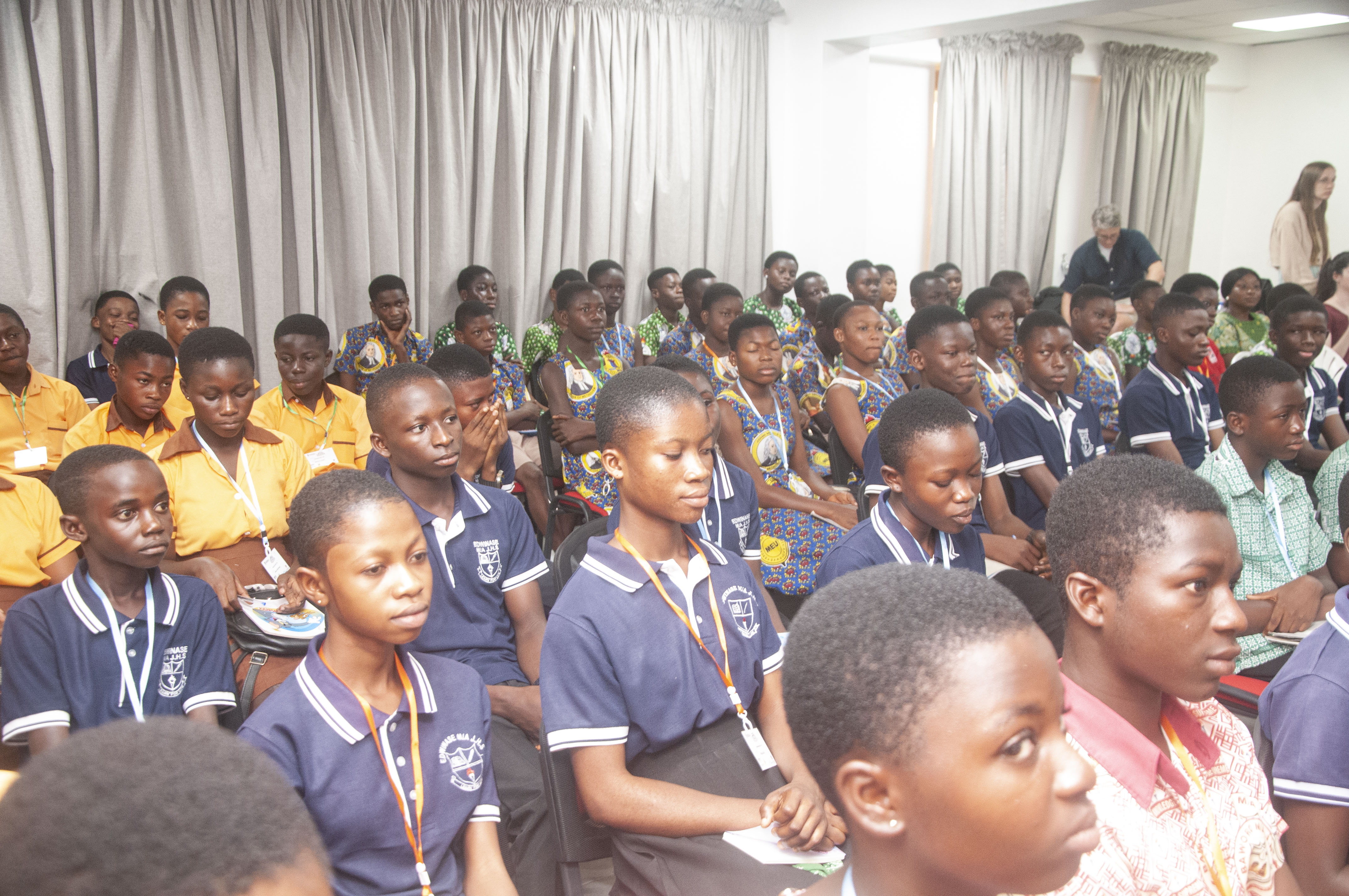
He said the initiative also promotes inclusion by bringing together students from both deprived and well-resourced schools to encourage collaboration, confidence and peer learning.
"We believe practical science should be accessible to every child, regardless of their background," Dr. Arthur said. "Exposing students to real scientific activities at an early age can help nurture curiosity and build interest in STEM careers."
Dr. Arthur said the programme, which has previously been held at the Noguchi Memorial Institute for Medical Research in Accra, was hosted at KCCR this year through a collaborative partnership aimed at expanding its impact.
He also highlighted the broad network of scientists supporting the initiative, including researchers from KCCR, KNUST, the University of Ghana Medical Centre (UGMC), and international institutions.

Professor Mrs. Mercy Badu of the Department of Chemistry at KNUST, who is also General Secretary of Women in Science, Technology, Engineering and Mathematics (WiSTEM) and Head of the KNUST Gender Inclusion and Vulnerability (GIV) Office, commended the organisers for investing in young learners.
She said exposing students to practical science at the junior high school level helps them appreciate how science contributes to solving societal challenges.
"It is important that young people understand how science improves our daily lives. Even if they do not all become scientists, they can learn to appreciate scientific thinking and work with scientists to solve problems in society," she said.
Professor Badu also praised the inclusion of teachers in the programme, noting that the knowledge and practical skills acquired would be shared with many more students in their respective schools.
Professor Aartjan te Velthuis of Princeton University, one of the programme's international mentors, introduced students to biomedical research by explaining how his team studies influenza viruses to understand why they cause severe disease in humans but not in many other animals.
He said such research helps scientists better understand infectious diseases and develop strategies to improve global health.

Dr. Charity Wiafe Akenteng, Principal Investigator of the One Health Bacteriology Group and a part-time lecturer at the KNUST School of Veterinary Medicine, said the collaboration aligned with KCCR's commitment to promoting science education and community engagement.
She said many students from underserved schools rarely have access to practical science lessons because of limited resources. Through the partnership with VISA, KCCR provided the facilities and expertise needed to give these students first-hand scientific experiences that would otherwise be unavailable.
Story: Akosua Bandoh Photos: Jonathan Gyepi-Attee


